 3dCMS
The fastest way to share 3D concepts.
Build a real website in 3D
Arrange pages, models and web blocks in a scene, or bring the site you already have, and publish it as a fast, crawlable site with its own URL. Build it by dragging things around, or just by asking.

Newest from the community
See all →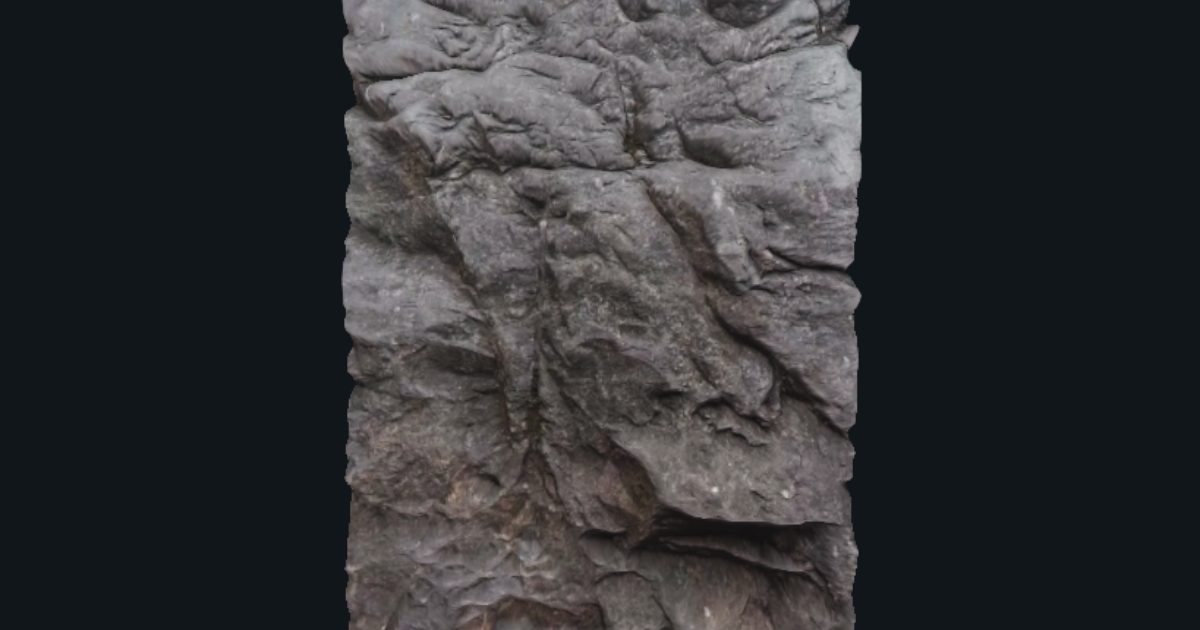
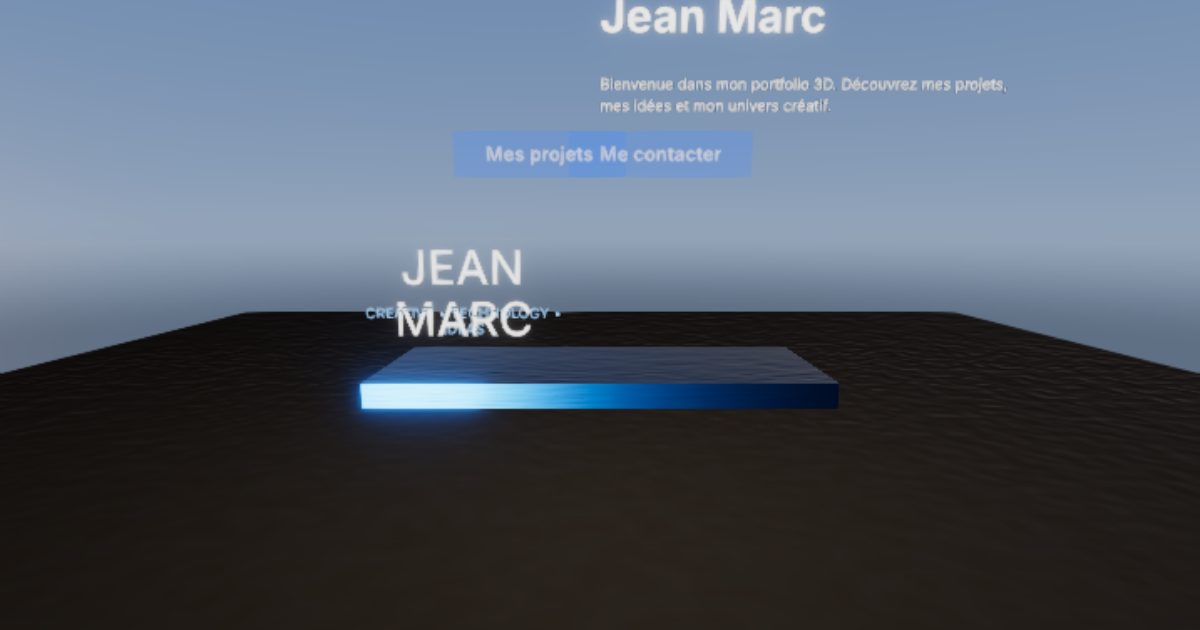
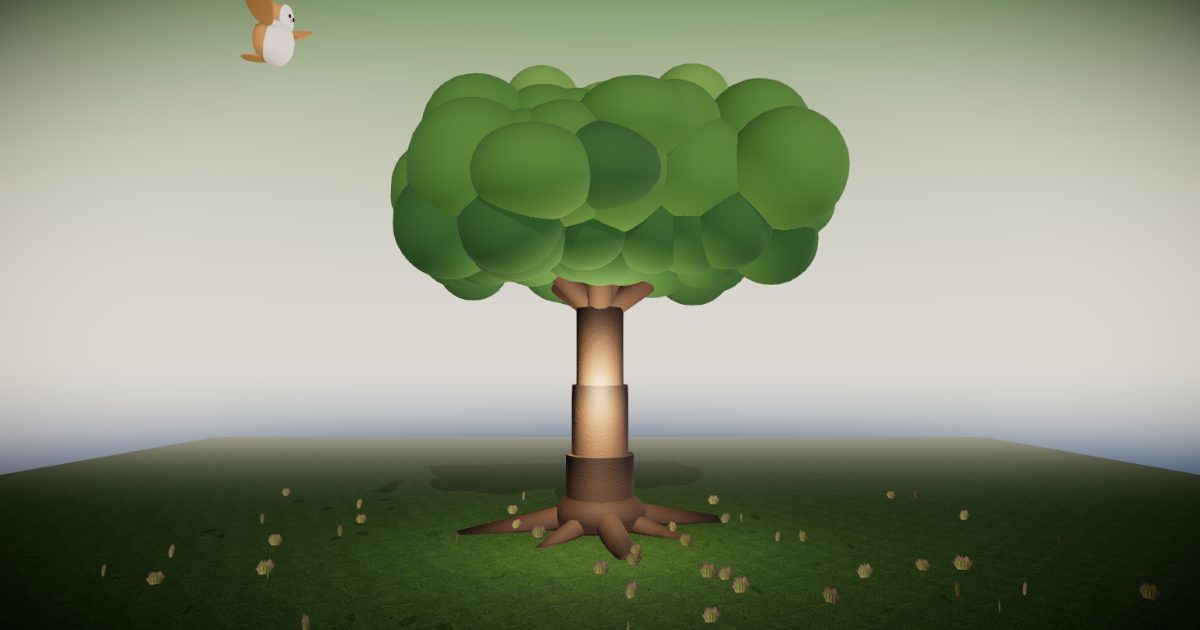
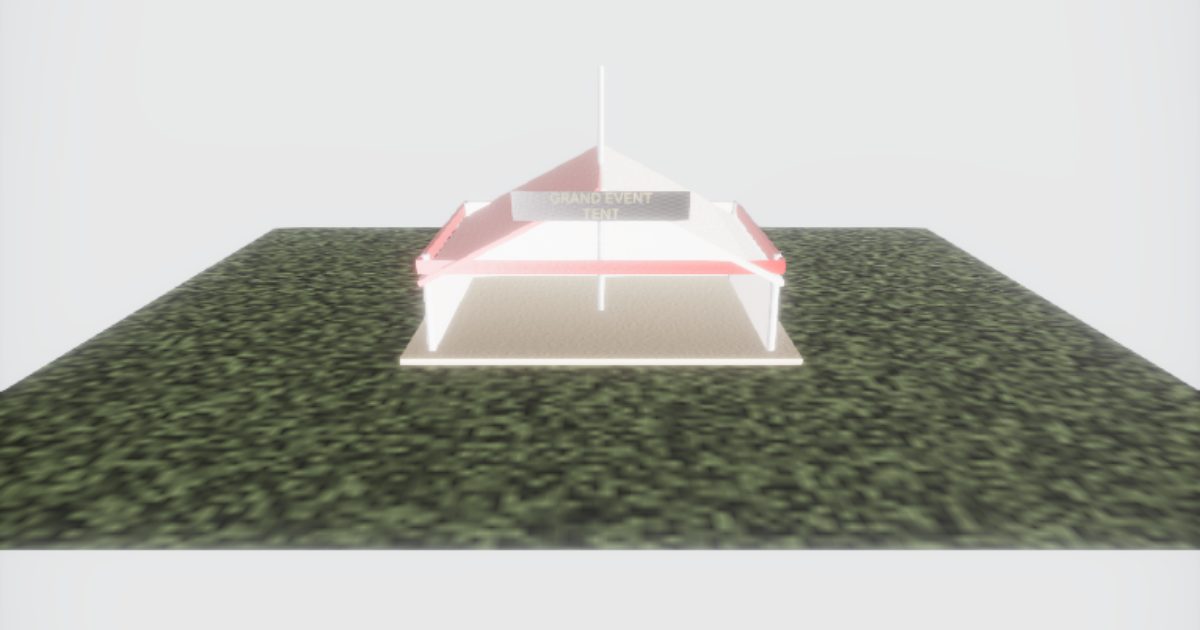
Build it in the browser
A real editor: transform gizmos, lights and cameras, particles, force fields, NURBS curves, cables, and imported GLB models. Keyframe animation with presets, an outliner, align and distribute, and a ⌘K command palette. No install, no pipeline.
Bring the site you already have
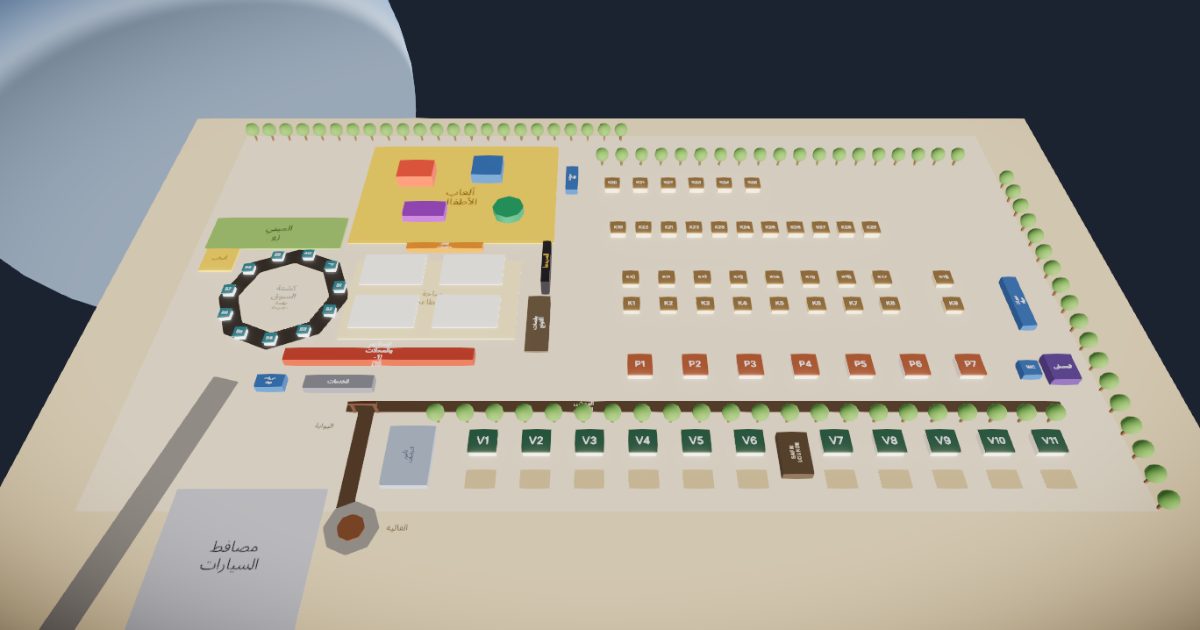
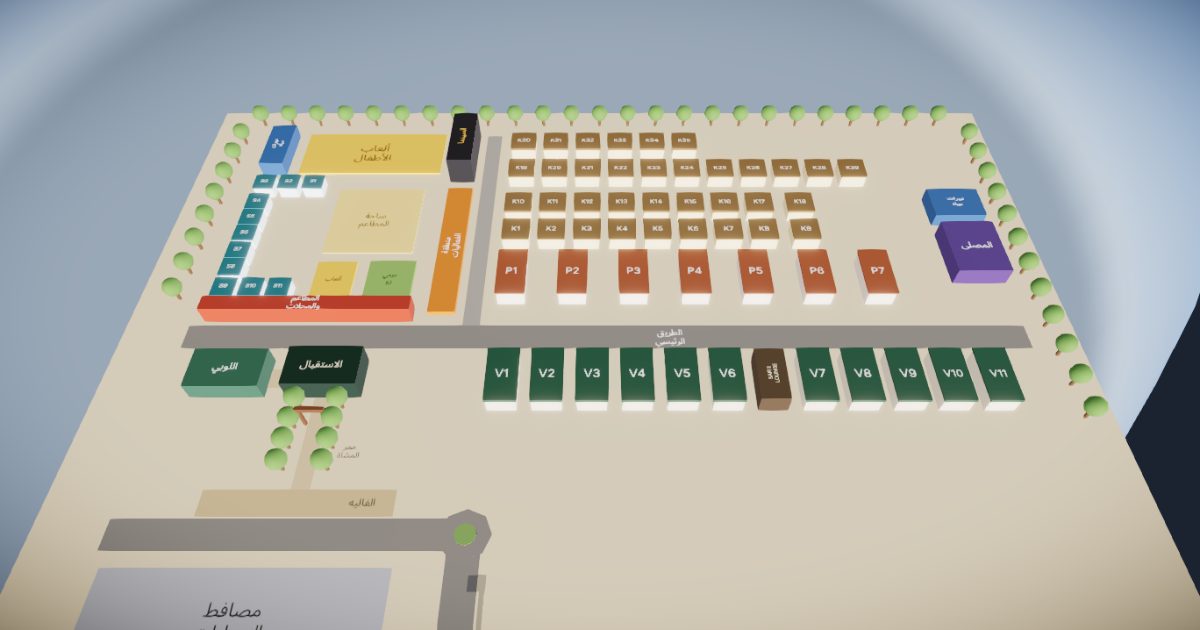
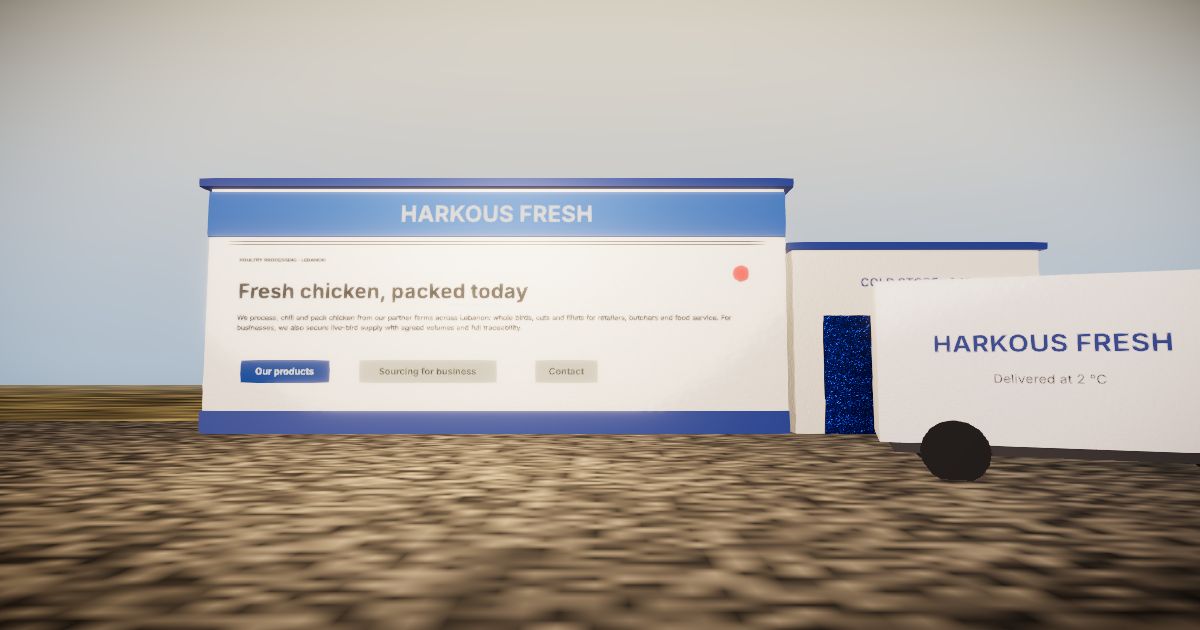
Paste the address of a site you own and 3dCMS reads its pages, headings, text, links and pictures, copies the images into your library, and lays the pages out as a scene you can walk through and keep editing. WordPress, Squarespace, Shopify, Webflow and hand-built sites all work. How importing works →
Or just describe it
The Assistant inside the editor turns plain requests into real scene edits and checks its own work in the viewport (it runs on your own Anthropic API key). Or connect 3dCMS to Claude, ChatGPT, Gemini, Claude Code or Cursor as an MCP server and build the whole scene from your own chat window. How to connect an AI →
Generate models and materials
With your own fal.ai key, describe a prop and get a real model back, optionally guided by a reference image. Describe a surface (cracked asphalt, oak bark, rust) and get a seamless PBR material. Or pull from a shared library of ready-made models and textures.
Pages, wayfinding, and things to touch
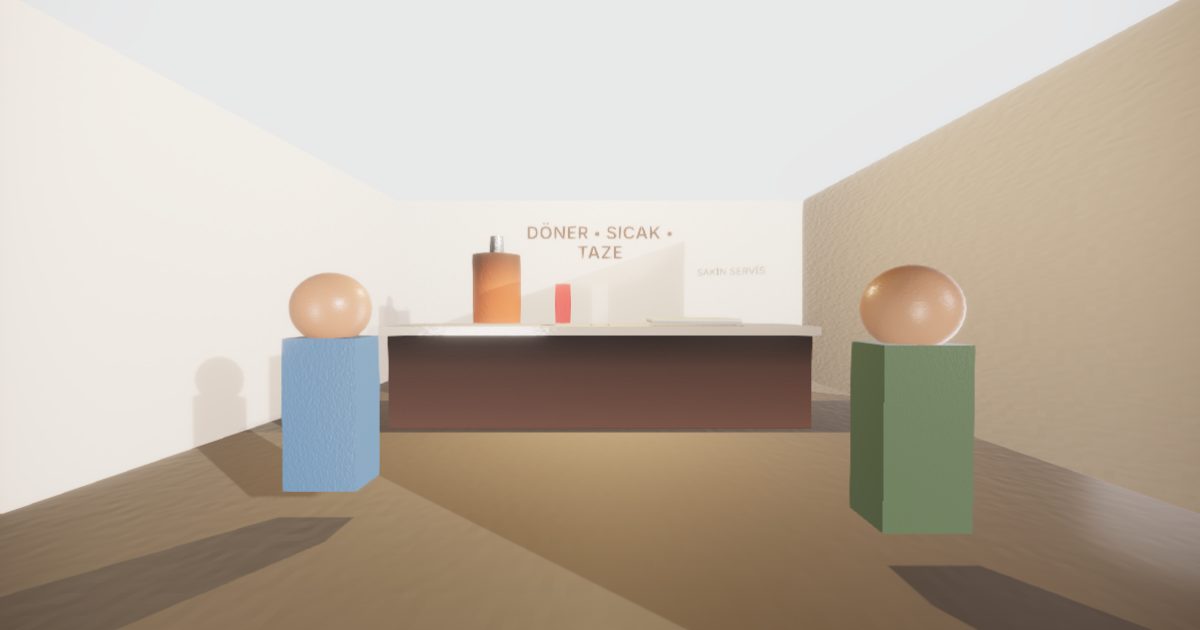
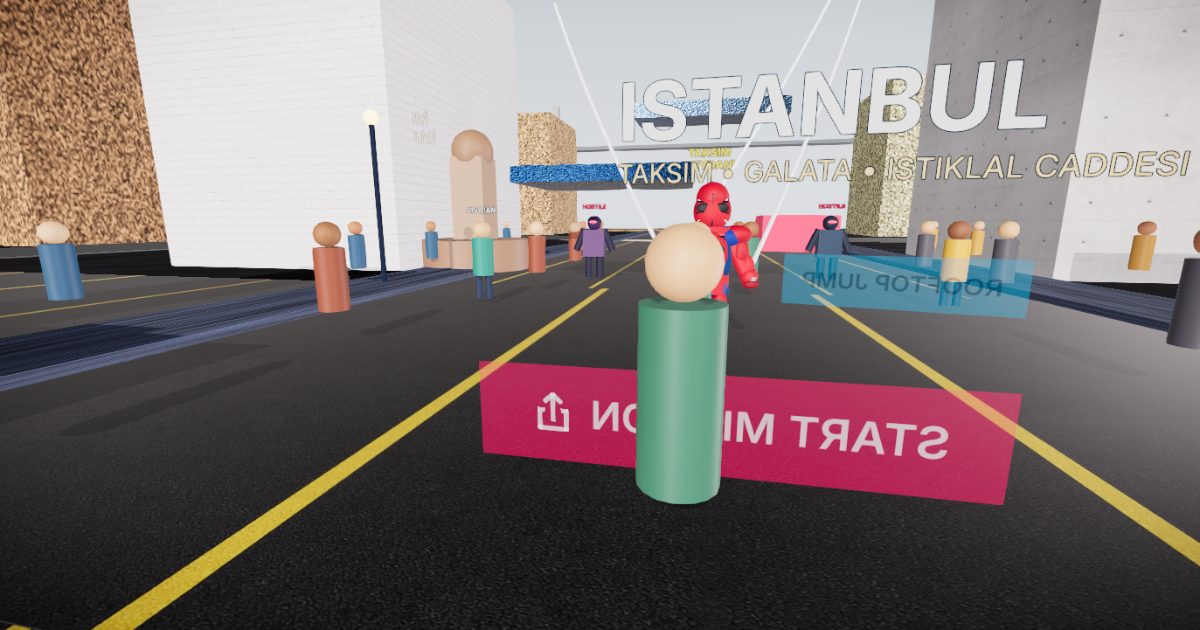
Text, image, link and video blocks that anchor to the world, billboard to the camera, or pin to the screen. Group them into areas a visitor walks between, wire up signs that fly visitors from one to the next, save viewpoints, and make any object tappable: open it in a lightbox, or travel to it.
Light it properly
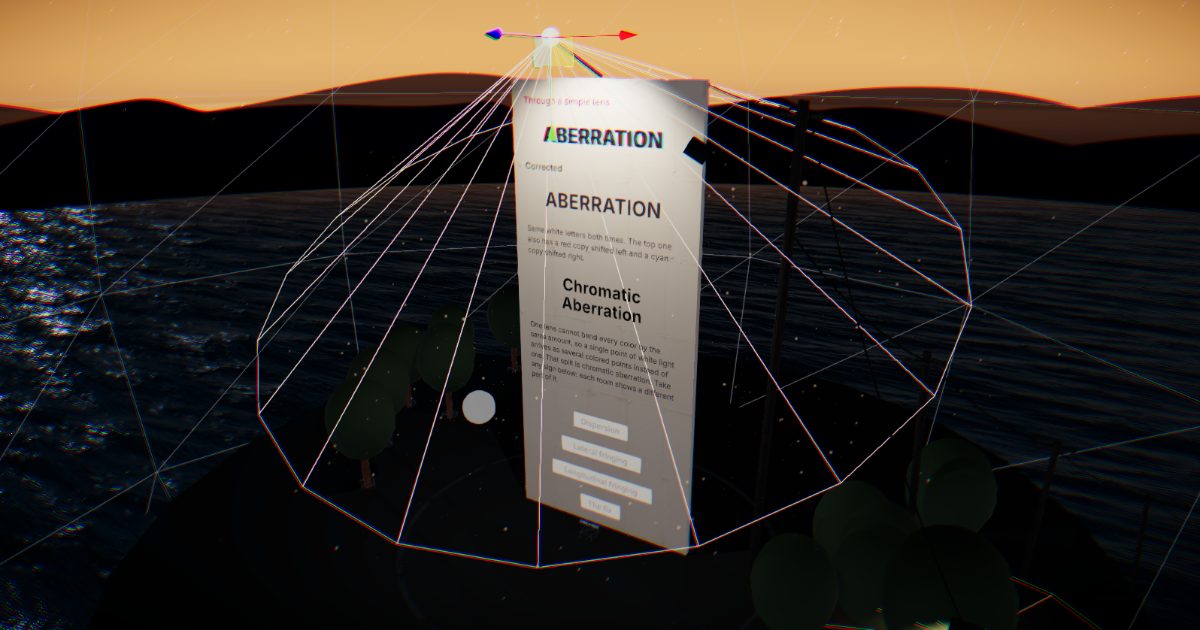
A live procedural sky that reaches real night and stars, or a time of day you pin. Placeable point and spot lights with gobos and volumetric beams that real geometry carves shadows into, sun god rays, lens flare, and colour LUTs, all of it publishable.
A 3D site that AI can read
Every published page serves a complete semantic HTML document at the same URL as its 3D view (schema.org, real links, a Markdown copy and a plain-text alternate) so search engines and AI search tools (ChatGPT search, Perplexity, Claude) read exactly what a visitor sees. No cloaking, by construction. See what Google reads →
Publish, share, embed
A link with a QR code and an auto-captured preview card for social and chat. Drop any scene into another site as an iframe or via oEmbed. Visitors can react and sign a guestbook, and every account gets a creator profile at its own handle.
Made to actually run
A pre-publish report estimates triangles, draw calls, texture memory and shadow cost per device tier and names the heaviest objects, so a scene that looks good on your desktop still opens on a phone. The pre-publish report →
Why this exists
There is no reason for someone to go to a perfectly formed plain SEO website anymore. They're just going to send their AI to get the info. We're entering into an age where if you want someone to actually come to your website and stay, it is going to have to be engaging, interesting, and different.
Buck Rackley, who builds 3dCMS
So 3dCMS does both halves. Every published page serves a complete, crawlable HTML document at the same URL as its 3D view, which is what an assistant reads. The 3D is what makes a person stay.
Questions people ask about 3dCMS
What is 3dCMS?
3dCMS is a browser editor and an MCP server for building real websites in 3D. You arrange pages, text, images, links and models in a scene a visitor can walk through, by hand or by chatting with an AI assistant, and publish it to its own URL as a crawlable web page with the 3D view on top.
Who is 3dCMS for?
3dCMS is for people who would rather show something than describe it: a designer presenting a concept, a maker showing a product, a studio pitching a set or a floor plan, or anyone who wants a site visitors remember. You need no 3D or coding skills, because an AI assistant can do the building for you.
How is 3dCMS different from a normal website builder?
A normal website builder stacks blocks down a scrolling page. 3dCMS places the same blocks (headings, text, images, links and video) in a 3D space a visitor walks through, with lights, models and signs that fly them between pages. Each page still publishes as ordinary HTML, so search engines read it like any other website.
What does 3dCMS cost?
3dCMS is free to start: the Free plan builds and publishes real 3D sites with no credit card and no time limit. Paid plans are Starter at $19 a month, Developer $49 and Worldbuilder $99, plus VAT or sales tax where it applies; they raise the caps and remove the 3dCMS badge. AI features use your own keys.
Does 3dCMS work with Claude and other AI agents?
Yes. 3dCMS is an MCP server: connect Claude, ChatGPT, Gemini, Claude Code, Cursor or any MCP client to https://3dcms.info/mcp, sign in with Google, and ask for the site you want. The assistant builds the scene, checks it with screenshots and a design review, and publishes only after you say yes.
Can search engines and AI read a 3D site made with 3dCMS?
Yes. A 3dCMS site is a 3D site that AI can read. Every published page serves a complete HTML document at the same URL as its 3D view, with headings, text, image alt text, real links, FAQ and schema.org data, plus a Markdown copy. Crawlers that skip JavaScript read the same words a visitor sees.